
Window Repair Statistics


Most articles promising window repair statistics are a list of trade-survey numbers with no explanation of what they mean for your home. This guide does it differently. It uses only official, checkable UK figures from the English Housing Survey, the Office for National Statistics, the Valuation Office Agency and the Energy Saving Trust. It then explains what each one means if you own or rent a home in London, and when a fault calls for window and door repairs rather than new windows.
Quick answer: 89% of homes in England now have full double glazing (English Housing Survey, 2026), and the Energy Saving Trust puts the life of good, well-maintained double glazing at 20 to 35 years. London's housing is older than average and mostly flats. Doors are the most common way into a home in a burglary, so ageing sealed units, worn seals and tired door locks are where repairs matter most.
Key Takeaways
89% of homes in England had full double glazing in 2024, up from 81% in 2014 (English Housing Survey 2024 to 2025).
Good double glazing typically lasts 20 to 35 years (Energy Saving Trust, 2026). Mist between the panes means the sealed unit has failed, and the glass unit can usually be replaced without a new frame.
29% of London properties were built before 1919, against 20% across England, and 57% are flats or maisonettes (Valuation Office Agency, 2024).
In 76% of domestic burglaries, the burglar got in or tried to get in through a door. In 29%, a door lock was forced (ONS Crime Survey for England and Wales, year ending March 2025).
Severe condensation is the most common form of damp in English homes, affecting 3% of dwellings in 2024.
Window Repair Statistics at a Glance
The table below brings the key figures together. Each one comes from a named official source, and the sections that follow explain what they mean in practice.
Figure | What it measures | Source |
|---|---|---|
89% | Homes in England with full double glazing (81% in 2014) | English Housing Survey 2024 to 2025, MHCLG, January 2026 |
20 to 35 years | Typical life of good, well-maintained double glazing | Energy Saving Trust, updated May 2026 |
5% (1.4 million) | Homes in England with a damp problem in 2024 | English Housing Survey 2024 to 2025 |
29% vs 20% | Properties built before 1919: London vs England | VOA Council Tax stock of properties, March 2024 |
57% vs 24% | Flats and maisonettes: London vs England | VOA Council Tax stock of properties, March 2024 |
76% | Domestic burglaries where entry was made or tried through a door | ONS, Crime Survey for England and Wales, year ending March 2025 |
17% | Domestic burglaries where entry was made or tried through a window | ONS, Crime Survey for England and Wales, year ending March 2025 |
London's Older Homes Need More Window Care
According to the Valuation Office Agency's Council Tax stock of properties figures for March 2024, 29% of London's 3.8 million properties were built before 1919. Across England the figure is 20%. Just over half of London's homes (52%) were built before 1940, against 35% nationally. Lambeth and Lewisham are older still, with 40% and 35% of properties built before 1919.
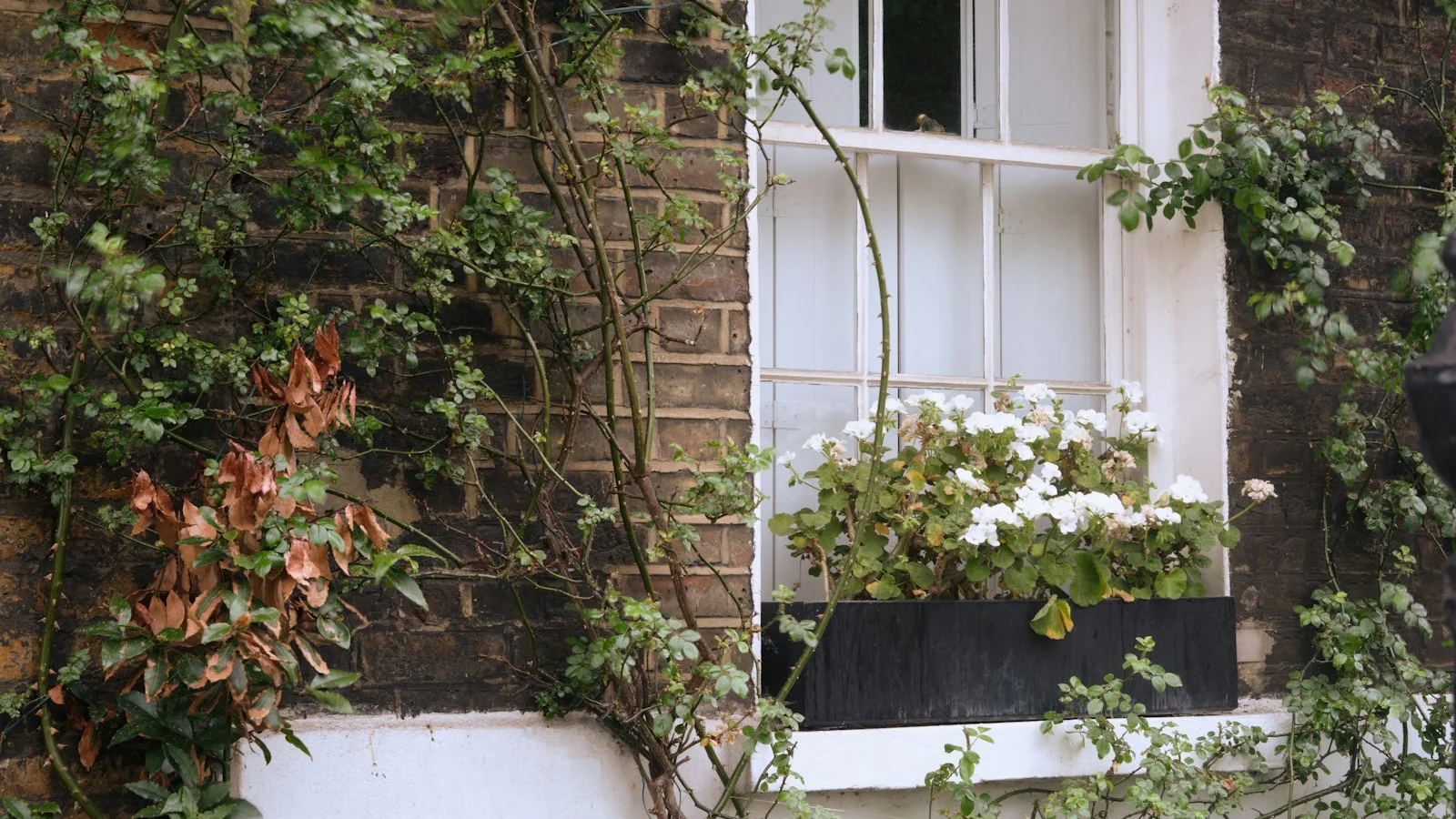
That shows up in the windows. Many Victorian and Edwardian homes still have timber sash windows, while others had them swapped for uPVC decades ago. Both need care. Sash cords break, pulleys seize and timber needs repainting. Older uPVC can suffer worn friction hinges, tired handles and perished gaskets. Most of these jobs are repairs, not replacements.
The same VOA figures show that 57% of London properties are flats or maisonettes, compared with 24% across England. If you live in a flat, check your lease before booking any window work. In many blocks the windows belong to the freeholder, or there are rules about the style and colour of replacements. Repairs that keep the existing frame, such as new hinges, handles or replacement sealed glass units, are usually simpler to arrange than a whole new window.
Most Homes Are Double Glazed, and Many Units Are Ageing
The English Housing Survey 2024 to 2025 headline report, published by the Ministry of Housing, Communities and Local Government in January 2026, found that 89% of homes in England had full double glazing, up from 81% in 2014. Double glazing is now the norm, so the main question for most households is how long their existing units will last.
The Energy Saving Trust says good double glazing can last between 20 and 35 years, as long as it is high quality, properly installed and well maintained. If your windows went in around the turn of the century, they are now well within that range.
When a sealed unit fails, moist air gets into the gap between the panes and you see mist or droplets that won't wipe away. The Energy Saving Trust advises that you can replace the glass unit rather than the whole window. If the frame, hinges and locks are sound, that is usually the sensible option. Our guide to misted double glazing repair explains how to confirm a failed seal and what the replacement involves.
Damp and Condensation: What the Figures Show
The same English Housing Survey found that 1.4 million homes in England (5%) had a damp problem in 2024, and the share was higher than in 2022. Severe condensation was the most common type, affecting 3% of homes, compared with 2% for penetrating damp and 1% for rising damp. Damp was more common in privately rented homes (10%) than in owner-occupied ones (4%).
Windows play a part, but it helps to know which kind of condensation you are looking at:
On the room side of the glass: this usually comes from humidity indoors, such as cooking, showers and drying clothes. Better ventilation is the answer. The Energy Saving Trust recommends keeping trickle vents open.
Between the panes: this is a failed sealed unit. Ventilation won't clear it, but a replacement unit will.
On the outside face: on a cold morning, this is a sign the glazing is keeping heat in. The Energy Saving Trust says it is not a problem.
Worn gaskets and seals around the opening sash can let in draughts and rain, which adds to cold spots and condensation on the frame. Replacing seals and adjusting hinges so the sash closes tightly are routine jobs. Our window repair London guide covers the faults we see most often.
Doors, Locks and Burglary: The Security Numbers
The Office for National Statistics publishes detailed tables from the Crime Survey for England and Wales on how burglars get into homes. For the year ending March 2025, these were the main figures for domestic burglaries in a dwelling, including attempts:
In 76% of incidents, the burglar got in or tried to get in through a door. In 17%, it was a window.
A door lock was forced in 29% of incidents.
Entry was through the front of the home in 60% of incidents, and the back in 33%.
Where the burglar did get in, the door had been left unlocked in about a quarter of cases (25%).
These figures are based on a few hundred incidents a year, so they move a little from one year to the next. People could also give more than one answer. The overall pattern has stayed the same for a decade, though. Doors, and especially front doors, are the main target, and forced locks are a big part of that.
For a typical London uPVC or composite door, the weak point is often the euro cylinder. Many older doors have basic cylinders that can be snapped. Upgrading to an anti-snap cylinder tested to a recognised standard, such as TS 007 3-star or Sold Secure SS312 Diamond, is a quick improvement. Our locksmith services cover cylinder upgrades, multipoint lock repairs and lockouts.
A door that has dropped can also stop the multipoint lock engaging fully, so the door looks locked but only the centre latch holds. If you have to lift the handle hard or force the key, get it looked at. Our uPVC door repair guide explains the usual causes.
Repair or Replace? What the Regulations Say
Building rules also affect whether to repair or replace. In England, Approved Document L (2021 edition) requires a replacement window in an existing home to have a whole-window U-value of 1.4 W/m²K or better, or a Window Energy Rating of band B or better. Replacing a whole window is also notifiable work. It must be done by an installer registered with a competent person scheme, or approved by building control.
Repairs are different. Replacing hinges, handles, locks, seals or a like-for-like sealed glass unit in an existing frame is generally not treated as controlled work. That is one reason repairs are often quicker to arrange.
If you do need new windows, the Energy Saving Trust points to the British Fenestration Rating Council's energy-rating scale, which runs from A++ to E and rates the whole window, frame and glass together. If the frame is sound, a repair or a new sealed unit is usually the faster and less disruptive route.
How to Use These Window Repair Statistics at Home
Here is how to put the figures to work on your own windows and doors:
Check the age of your glazing. The spacer bar between the panes is often printed with the month and year the unit was made. Units approaching 20 years old are worth checking each winter for mist, draughts and stiff opening.
Do the wipe test. Condensation that wipes off is a ventilation issue. Mist that stays is a failed unit.
Test your front door. Lock it from inside and check the handle lifts smoothly and the key turns without force. If not, the door may have dropped or the lock may be wearing.
Look at the cylinder. If it sticks out more than a few millimetres from the handle plate or has no security marking, consider an anti-snap upgrade.
Read your lease. If you live in a flat, confirm who is responsible for the windows before booking work.
About These Statistics
Every figure in this article comes from an official or independent UK source, named below, and was checked in October 2026. Percentages from the Valuation Office Agency tables are our own calculations from the published property counts.
Ministry of Housing, Communities and Local Government, English Housing Survey 2024 to 2025: headline findings on housing quality and energy efficiency (January 2026).
Office for National Statistics, Nature of crime: burglary, Crime Survey for England and Wales, year ending March 2025 (Tables 2a and 3a).
Valuation Office Agency, Council Tax: stock of properties 2024, tables CTSOP3.0 and CTSOP4.0 (as at 31 March 2024).
Energy Saving Trust, Energy efficient windows and doors (last updated May 2026).
HM Government, Approved Document L: Conservation of fuel and power, Volume 1: Dwellings (2021 edition).
The full English Housing Survey findings are published on GOV.UK. You'll find more practical guides on the Vibrant JDR Windows blog.
Frequently Asked Questions
How long does double glazing last?
The Energy Saving Trust says good double glazing typically lasts 20 to 35 years if it is properly installed and well maintained. The sealed units usually fail before the frames do, so replacing the glass unit can add years to a sound window.
How many UK homes have double glazing?
In England, 89% of homes had full double glazing in 2024, up from 81% in 2014, according to the English Housing Survey 2024 to 2025 headline report.
How do most burglars get into homes?
Through doors. In the Crime Survey for England and Wales for the year ending March 2025, the burglar got in or tried to get in through a door in 76% of domestic burglaries, and through a window in 17%. A door lock was forced in 29%.
Is misted double glazing a repair or a replacement job?
Usually a repair. Mist between the panes means the sealed unit has failed, but if the frame, hinges and locks are in good order, only the glass unit needs replacing. A new unit restores clear views and insulation without a new window.
What affects the cost of a window or door repair?
The part needed, the type and size of the window or door, the glass specification, access, and how many faults can be fixed in one visit all affect the cost. A free, no-obligation quote is the reliable way to find out.
If any of these figures sound familiar, from a misted pane to a front door that's hard to lock, Vibrant JDR Windows Limited repairs uPVC, aluminium and tilt-and-turn windows and doors across London. There are no call-out charges, and every job starts with a free, no-obligation quote. Contact our London team to arrange a visit.

Comments